3D Layered Frame Heart Papercut SVG Review
As a designer who constantly bridges the gap between digital assets and tangible handmade products, I approach every new file with a specific question: will this actually translate into a sellable, durable item? When I first opened the 3D Layered Frame Heart Papercut SVG, my immediate assessment was that this is a deceptively complex asset. While marketed primarily for laser cutting and shadow boxes, the geometric precision and layered aesthetic offer a unique foundation for mixed-media embroidery projects. However, treating a papercut-style vector as a direct embroidery template requires careful translation. This review evaluates how this specific design performs when adapted for real-world stitching, client work, and commercial product lines.
Translating Papercut Aesthetics to Stitch
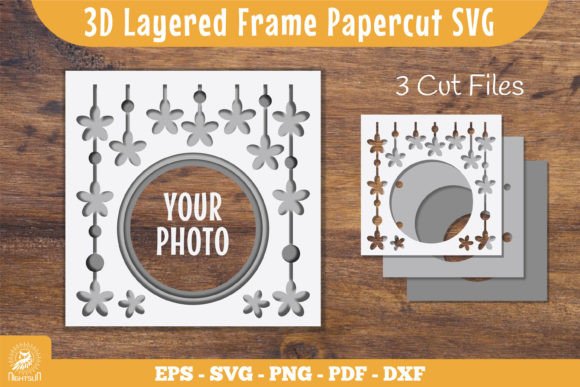
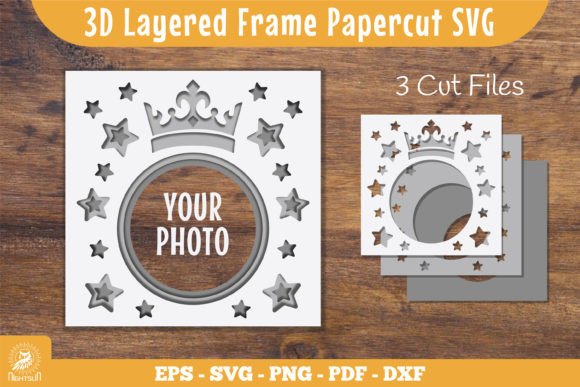
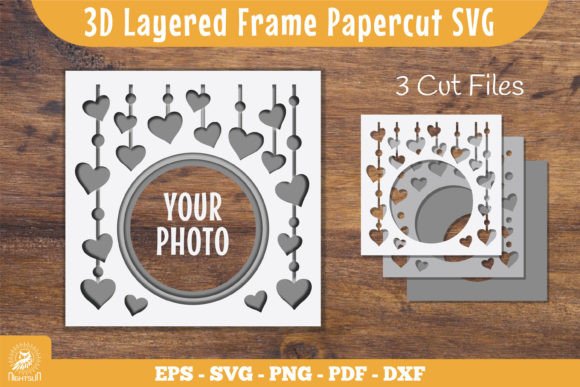
The visual personality of the 3D Layered Frame Heart Papercut SVG is defined by clean lines, distinct negative space, and a sense of architectural depth. In its native format, it relies on light passing through physical layers to create dimension. For an embroidery designer, this presents both an opportunity and a challenge. The mood is romantic yet structured, making it ideal for modern wedding gifts or boutique nursery decor rather than traditional country-style crafts.
When adapting this machine embroidery design, you cannot simply auto-digitize the vector lines. The "layers" in the original file must be reimagined as fabric layers or stitch textures. I view this asset best suited as an applique design guide. The outer frame can serve as a placement line for a base fabric, while the inner heart elements can be executed as separate applique pieces or dense fill stitch zones to mimic the shadow effect. The high-quality PNG included in the package is invaluable here; use it as a visual reference to maintain the intended proportions when creating your custom embroidery file.
Real-World Application: The Custom Sweatshirt Test
To truly evaluate this asset, I mentally prototyped it for a current client request: a premium crewneck sweatshirt featuring a textured heart motif for a Valentine’s Day capsule collection. Sweatshirt embroidery demands stability and visual weight, which aligns well with the bold geometry of this design.
In this scenario, the 3D Layered Frame Heart Papercut SVG serves as the blueprint for a multi-step process. Instead of laser-cutting paper, I would use the DXF or EPS files to cut felt or cotton sashing for the base layers using a vinyl cutter or scissors. The embroidery machine then secures these layers. The result is a tactile, raised effect that mimics the original papercut depth but withstands washing and wear. For Etsy sellers and small shop owners, this hybrid approach adds significant perceived value. Customers are accustomed to flat prints; a garment with actual dimensional layers justifies a higher price point and distinguishes your handmade product from mass-market alternatives.
This design also shows promise for personalized gift items like baby blankets or tote bags. The central heart area provides ample negative space for adding monograms or names without cluttering the composition. Because the original layout is balanced, adding text within the frame maintains professional symmetry, which is crucial for buyer engagement and positive reviews.
Critical Considerations for Fabric and Hoop Size
While the design is versatile, it is not universally forgiving. As an experienced reviewer, I must highlight where caution is necessary. The intricate corners and tight curves typical of papercut styles can become problematic on stretchy fabrics or unstable knits if not managed correctly.
- Hoop Size Verification: Before purchasing or digitizing, confirm the final dimensions fit your hoop size. Layered designs often require larger hoops to accommodate registration marks and basting boxes essential for aligning multiple fabric layers.
- Fabric Texture Compatibility: Avoid using this design on highly textured fabrics like terry cloth or boucle unless you plan to use a heavy topping. The fine details of the frame will get lost in the pile. Smooth cottons, linens, and stable felts are superior choices for preserving the crisp edges of the 3D Layered Frame Heart Papercut SVG.
- Stabilizer Strategy: Because this design mimics a 3D structure, standard tear-away stabilizer is rarely sufficient. Use a firm cut-away or fusible mesh to prevent puckering, especially if combining satin stitch borders with fill stitch centers. The weight of the thread combined with fabric layers creates tension that weak stabilizers cannot handle.
- Dark vs. Light Fabrics: Test contrast thoroughly. On dark fabrics, the "shadow" effect of the papercut style may disappear unless you use contrasting thread colors or lighter fabric layers underneath. Black-and-white mockups are helpful, but physical fabric swatches are mandatory for accurate color planning.
Commercial Viability and Professional Presentation
For creative entrepreneurs and apparel decorators, the commercial viability of this asset hinges on execution quality. A sloppy adaptation looks like a craft project; a precise adaptation looks like a boutique brand. The inclusion of AI CS6 and EPS files means you have professional-grade vectors to work with, allowing for seamless scaling and modification in digitizing software.
When listing finished products derived from this design, presentation matters. Use the provided high-quality PNG to create printable mockups that show potential customers what the design looks like before they buy. However, always pair these digital previews with photos of actual stitched samples. Buyers need to see how the thread colors interact and how the layers sit on the fabric. This transparency builds customer trust and reduces return rates.
Furthermore, consider the licensing implications for your business model. If you intend to sell the digital embroidery file itself versus the finished embroidered patch or garment, ensure you understand the commercial rights associated with the source asset. Always verify whether the license permits resale of derivative digital products or restricts usage to physical end-products only.
Designer Notes for Successful Implementation
Before committing this design to a production run or a cherished personal project, follow these practical steps to ensure success:
- Test on Scrap Fabric First: Never stitch the final version without a test run. Check registration alignment between layers and adjust pull compensation if gaps appear between the frame and the heart.
- Evaluate Stitch Density: Papercut lines are thin. If converting to satin stitch, ensure the column width is appropriate for your thread weight. Too narrow, and the thread breaks; too wide, and the delicate aesthetic becomes clunky.
- Check Thread Color Contrast: The 3D effect relies on visual separation. If using tone-on-tone threads, increase the spacing between elements slightly to ensure the layers remain distinct after stitching.
- Inspect Small Details: Zoom in on the vector file. Some papercut designs have microscopic connection points that are structurally sound in paper but impossible in thread. Modify these areas in your digitizing software to add tack-down stitches or widen bridges.
- Validate File Formats: While the package includes SVG, AI, EPS, PDF, DXF, and PNG, remember that none of these are native embroidery formats (like DST or PES). You will need digitizing software or a professional digitizer to convert these vectors into a stitch file suitable for your machine.
The 3D Layered Frame Heart Papercut SVG is a sophisticated starting point for makers willing to put in the technical effort. It bridges the gap between paper crafting and textile art beautifully, offering a fresh alternative to standard embroidery motifs. By respecting the material differences between paper and fabric, and by leveraging the high-quality vector assets provided, you can transform this digital file into a stunning, market-ready embroidered product that stands out in a crowded marketplace.