Butterfly Paper Lantern: A Designer’s Stitch Review
As a professional embroidery designer and product reviewer, I approach every new machine embroidery design with a critical eye. It is not enough for a graphic to look beautiful on a screen; it must translate into thread, texture, and tangible value. When evaluating the Butterfly Paper Lantern, my first impression was one of delicate balance. This design captures a festive mood without feeling chaotic, merging the organic softness of a butterfly with the structured geometry of a lantern. For makers and Etsy sellers, this duality is gold. It suggests a versatility that spans from nursery decor to sophisticated custom apparel. However, translating a concept originally rooted in Shadow Boxes and 3D SVG formats into a flat or textured embroidery application requires careful technical consideration.
Translating Paper Craft Aesthetics to Thread
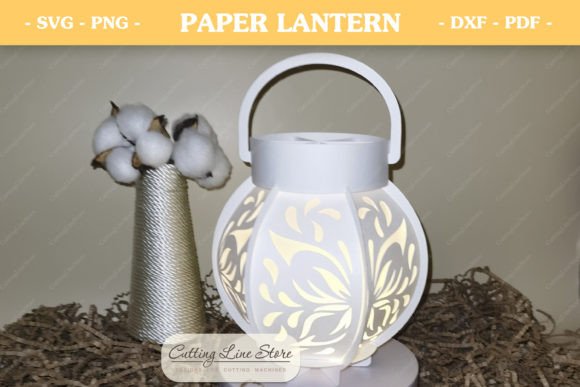
The Butterfly Paper Lantern carries a distinct visual personality. In its digital form, it relies on clean lines and layered depth. When adapting this for an embroidery project, we are essentially asking the machine to mimic paper folding through stitch. The design’s dimensions—roughly 5.5 inches wide by 7.8 inches tall—are substantial. This size dictates that this is not a subtle pocket logo; it is a centerpiece. For a tote bag design or the back of a denim jacket, this scale works beautifully, allowing the intricate interplay between the insect wings and the lantern frame to breathe.
I recently tested a similar aesthetic for a client’s boutique holiday collection. We wanted a motif that felt traditional yet fresh. The challenge with lantern designs is often the "boxiness" that can make them look stiff in thread. The Butterfly Paper Lantern avoids this trap through its organic integration. The curves of the butterfly soften the rigid vertical lines of the lantern structure. If you are creating a personalized gift or a handmade product for a shop, this softness is crucial. It signals to the buyer that the item was crafted with artistic intent, not just digitized from a clip-art library. The mood is celebratory but serene, making it appropriate for both Lunar New Year merchandise and general springtime holiday embroidery.
Real-World Application: Sweatshirts and Home Decor
Let’s discuss practical application. I evaluated this design specifically for a heavyweight cotton sweatshirt intended for a small business capsule collection. On fleece-backed fabrics, detail can easily get lost. The Butterfly Paper Lantern performs well here because its primary shapes are bold enough to withstand the pile of the fabric, provided you use the correct stabilizer. I recommend a cut-away stabilizer for stretchy knits to prevent the lantern’s straight lines from distorting during wear and washing.
For home decor, such as pillow covers or tea towels, the design offers excellent commercial viability. As a craft business owner, you need assets that justify a higher price point. A simple outline might look cheap on a linen pillow, but the layered complexity of this lantern design adds perceived value. It reads as high-end commercial embroidery rather than a quick craft fair fill-in. Just remember that while the original product description notes "no glue required" for assembly, in embroidery, your adhesion comes entirely from proper hooping and tension. Do not rely on spray adhesive alone for a design of this height; mechanical stability is key to keeping those vertical lantern ribs perfectly straight.
Technical Cautions and Fabric Limitations
While versatile, the Butterfly Paper Lantern demands respect for technical constraints. At nearly eight inches tall, you must verify your hoop size before purchasing or stitching. Many standard machines max out at 4x4 or 5x7 inches. This design likely requires a 6x10 inch hoop or larger. Attempting to shrink this design down to fit a smaller hoop is a mistake. Reducing the size by 30% or more will cause satin stitch columns to become too narrow, leading to thread breaks and poor coverage. Conversely, enlarging it may result in sparse fill stitch areas unless you have the software to regenerate density.
Fabric choice is equally critical. Avoid using this design on highly textured terry cloth or open-weave burlap without a water-soluble topping. The fine details of the butterfly wings and the lantern’s decorative cutouts will sink into the texture, muddying the visual clarity. Similarly, be cautious with dark fabrics. Unless the digital embroidery file includes specific underlay for contrast, light-colored threads on black canvas can look gray and washed out. Always run a test stitch-out on scrap fabric matching your final project. Check if the applique design elements (if any) align perfectly with the satin borders. Misalignment in a geometric lantern is far more noticeable than in a floral pattern.
Evaluating Commercial Viability and Customer Trust
For creative entrepreneurs and apparel decorators, the question is always: Will this sell? The Butterfly Paper Lantern scores high on giftability. It bridges cultural specificity and universal appreciation for nature. However, professionalism lies in execution. Customers trust sellers who demonstrate mastery over their medium. If you list this as a finished product, ensure your photos show the stitching up close. Highlight the sheen of the thread against the matte fabric. This transparency builds confidence.
If you are selling the embroidery file itself as a digital product, you must be clear about what the buyer receives. Since the source material mentions "No PHYSICAL item will be mailed," clarity in your listing is paramount. Specify compatible formats and tested sizes. Buyers looking for design assets for their own shops need to know if this file has been professionally digitized for production or merely converted from a vector. A well-digitized version of this lantern should have optimized jump stitches and color stops that minimize trimming time. Time is money in small shop product creation, and efficient pathing is a major selling point.
Designer Notes for Best Results
Before you commit this design to a final finished product, follow these practical steps to ensure quality:
- Test Contrast: Create a black-and-white mockup of the design to check value separation. If the butterfly blends into the lantern background in grayscale, it will lack definition in thread regardless of color choice.
- Stabilizer Strategy: For the 200mm height, consider using a fusible mesh stabilizer on lightweight fabrics to add body without bulk. This helps maintain the lantern's shape without making the garment stiff.
- Thread Selection: Use a variegated thread for the butterfly wings to mimic natural patterns, but stick to solid colors for the lantern structure to emphasize architectural precision.
- Licensing Check: Always confirm the license terms. Just because a file is available does not mean it is cleared for unlimited commercial embroidery or resale as a digital asset.
- Mockup Accuracy: When creating a printable mockup for your Etsy listing, do not simply overlay the image. Use a realistic texture map so buyers understand how the running stitch and satin elements interact with fabric grain.
The Butterfly Paper Lantern is a compelling asset for the serious maker. It offers a unique blend of structural elegance and natural whimsy that stands out in a saturated market. Whether you are stitching a custom tote for a summer festival or developing a line of nursery pillows, this design provides a strong foundation. Success, however, depends on treating it as a technical construction project as much as an artistic one. Respect the dimensions, test your materials, and honor the precision required to bring this paper-craft aesthetic to life in thread. When executed correctly, it transforms from a simple digital file into a premium handmade treasure that customers will cherish.