Camellia 3D SVG: Elegant Paper Flowers for Digital Sales
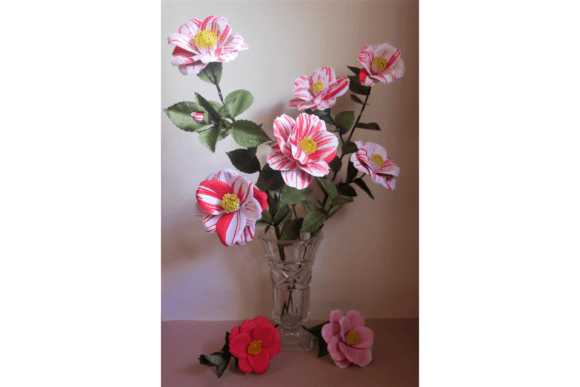
When evaluating a new graphic design asset for my shop, I look beyond the initial aesthetic appeal and focus on commercial viability. Introducing the “Camellia” paper flowers from Maison Gregoria brings a specific mood to the table that warrants a closer look. This collection captures the timeless elegance of a beloved garden flower through exquisite paper crafting, translating organic texture into a digital format. As a seller preparing a new seasonal line for Etsy and Creative Fabrica, my first impression is that this asset leans heavily into the premium, romantic, and sophisticated niches. It does not feel playful or cartoonish; rather, it possesses a refined visual personality that appeals to buyers creating wedding stationery, high-end nursery decor, or feminine brand identities.
The niche appeal here is distinct. While generic florals saturate the market, Camellia offers a structured yet soft silhouette that bridges the gap between vintage botanical illustration and modern 3D SVG art. For a digital product creator, this distinction matters. Buyers are often searching for something that feels handmade and artisanal without the labor-intensive process of physical crafting. This asset promises that tactile quality in a digital download format, making it a strong contender for sellers who want to elevate their perceived value above standard clipart bundles.
Commercial Applications Across Product Categories
In a real shop scenario, versatility dictates return on investment. I tested Camellia across several product types to see where it performs best as a commercial design. The 3D SVG nature of these paper flowers makes them exceptionally strong for Cricut projects and layered paper crafts. Unlike flat vectors, the depth cues in this illustration allow crafters to create shadow boxes, intricate greeting cards, and cake toppers that have genuine dimension. For the physical product seller, this translates directly to higher price points because the end result looks professionally manufactured rather than simply printed.
For print-on-demand and sublimation design applications, the asset holds up well when scaled. I found it particularly effective for mug designs and tumbler wraps where the floral element needs to wrap around a curved surface without losing detail. The elegance of the Camellia works beautifully for tote bag prints and apparel, specifically for boutique-style t-shirt designs targeting a mature demographic. However, its utility extends beyond merchandise. As a PNG design with transparency, it integrates seamlessly into Canva templates for social media graphics, blog headers, and digital planners. Content creators and bloggers looking for cohesive visual storytelling will appreciate that this illustration adds a touch of luxury to otherwise flat layouts.
I also see significant potential in the printable wall art sector. Because the design mimics the texture of paper, it prints with a richness that flat digital art often lacks. Sellers can bundle this with serif fonts or minimalist typography to create gallery sets that compete with traditional watercolor paintings. For invitation templates, especially weddings and bridal showers, Camellia serves as a perfect primary motif that signals sophistication without being overly trendy.
Elevating Listing Presentation and Visual Hierarchy
A great graphic design asset must do more than just exist; it must sell itself. In testing Camellia for listing images, I found it excels at establishing visual hierarchy. When used in product mockups, the flower draws the eye immediately, anchoring the composition. This is crucial for thumbnail appeal in crowded creative marketplace feeds. The intricate details of the paper flowers provide enough visual interest to stop the scroll, while the overall shape remains readable at small sizes.
For brand identity and packaging design, this asset supports a consistent aesthetic. If you are building a shop focused on feminine, elegant, or cottagecore themes, Camellia reinforces that narrative across multiple listings. It creates trust through consistency. When customers see this level of detail in your promotional visuals and social media promos, they assume the same care went into the actual digital download files. Furthermore, using this asset in large product previews helps demonstrate scale and texture, reducing customer hesitation about file quality.
Technical Constraints and Usage Warnings
Despite its strengths, experienced sellers know that no asset is perfect for every application. There are specific scenarios where Camellia should be used with caution. Due to the intricate layering required to achieve the 3D paper effect, this design is not suitable for tiny sticker details. If scaled down below two inches, the fine edges may become muddy in print or impossible to weed in a Cricut project. Similarly, avoid using this in overly complex layouts where it competes with heavy text or other busy patterns. The visual weight of the paper flowers demands negative space to breathe.
Contrast is another critical factor. While the design is beautiful, it may struggle on dark backgrounds unless specifically outlined or highlighted. For sublimation design on black tumblers or dark apparel, test the visibility first. Additionally, verify the cut lines if you plan to offer this as a standalone SVG design for cutting machines. Sometimes, artistic renderings include overlapping paths that confuse cutting software. Always inspect the node count and path structure before listing it as a "cut-ready" file to avoid negative reviews from frustrated crafters.
Seller Checklist for Quality Assurance
Before publishing Camellia as part of a design bundle or standalone product, run through this practical validation list to ensure professional standards:
- Mockup Testing: Place the design on realistic product mockups (mugs, shirts, cards) to verify scale and placement. Do not rely solely on the raw file view.
- Background Versatility: Test the PNG design on both pure white and cream/off-white backgrounds. Paper flowers often look warmer and more natural on off-white, which affects color grading decisions.
- Print Color Verification: Print a physical test copy. Screen colors often differ from CMYK output, especially with subtle paper shadows and gradients.
- Transparency Check: Zoom in at 100% to ensure the PNG transparency is clean. Jagged edges or gray halos destroy perceived value in digital products.
- Font Pairing: Test the illustration with various typefaces. Camellia pairs best with elegant serifs or flowing scripts. Avoid bold, blocky sans-serifs that clash with the delicate organic lines.
- File Organization: Ensure files are clearly named and organized. Customers buying commercial design assets expect professional delivery. Separate cut files from print files if necessary.
- Licensing Confirmation: Double-check the commercial license terms. Confirm whether you can sell the digital file as-is (usually prohibited) versus selling finished physical products or flattened templates.
Strategic Fit for Small Business Branding
Ultimately, Camellia is a strategic acquisition for sellers targeting the mid-to-high-end segment of the handmade business and digital product markets. It is less about volume and more about value. For small business branding, this asset communicates attention to detail and an appreciation for classic aesthetics. Whether you are creating a new line of planner stickers, updating your shop’s banner, or launching a spring collection, this graphic design asset provides a solid foundation for elegant, sellable products.
By understanding both the strengths and limitations of these paper flowers, you can integrate them into your workflow efficiently. Focus on applications where texture and depth add tangible value, such as layered paper crafts and premium stationery. Avoid forcing the design into low-resolution or miniature contexts where its intricacy becomes a liability. With proper testing and thoughtful presentation, Camellia can help distinguish your listings in a competitive creative marketplace, attracting buyers who value quality and timeless style over fleeting trends.