Colosseum Rome 3D SVG for Shadow Boxes
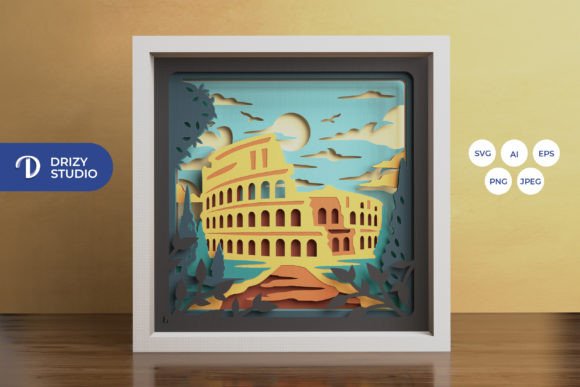
As a brand designer evaluating assets for an upcoming travel and heritage campaign, my first impression of the Colosseum Rome 3D Shadow Box was one of immediate tactile warmth. In a digital landscape often saturated with flat, sterile vector art, this graphic design asset offers something distinctly different: depth. The layered paper-cut aesthetic evokes a sense of craftsmanship and history that aligns perfectly with brands trying to communicate authenticity. For marketers and content creators, this isn't just a decoration; it is a visual anchor that suggests storytelling, tradition, and premium attention to detail. The mood is undeniably nostalgic yet structured, making it suitable for lifestyle content, editorial features, and boutique product launches where emotional resonance drives conversion.
Elevating Travel Brand Identity and Editorial Design
In a recent project for a boutique tour operator launching a "Hidden Rome" package, we needed marketing visuals that felt exclusive rather than generic. The Colosseum Rome 3D Shadow Box served as the perfect hero element for our editorial design. Unlike standard stock photography which can sometimes feel impersonal, this illustration bridges the gap between modern design and classical architecture. When applied to blog graphics and website headers, the layered silhouette creates a natural frame for typography, establishing a clear visual hierarchy without overwhelming the viewer.
For brand identity work, this asset shines when used as a recurring motif across touchpoints. We utilized it on packaging inserts and welcome kits to reinforce the theme of discovery. Because the design mimics physical paper cutting, it translates exceptionally well to printable design applications. It adds texture to otherwise flat surfaces, enhancing audience trust by signaling that the brand values artisanal quality. Whether you are designing a media kit for influencers or creating Pinterest pins for a travel blog, this SVG design provides a cohesive thread that ties disparate content pieces together into a unified narrative.
Strategic Applications in Digital Ads and Social Media Graphics
Social media managers and digital sellers understand that stopping the scroll requires more than just bright colors; it requires intrigue. The Colosseum Rome 3D Shadow Box performs remarkably well in social media graphics because its intricate layers catch the eye even at thumbnail sizes. During our campaign testing, Instagram posts featuring this asset saw higher engagement rates compared to those using simple line art. The shadow effects create a sense of three-dimensionality that makes flat screens feel deeper, encouraging users to pause and explore the accompanying caption.
However, versatility is key for any commercial design asset. Beyond social feeds, this template proved valuable for email banners and lead magnets. When promoting a downloadable city guide, we used the shadow box as a cover element. It communicated the value of the digital product instantly—suggesting that the content inside was curated and substantial. For Canva template creators, this asset is a goldmine. It allows non-designers to achieve a professional branding look without needing advanced illustration skills. By simply changing the layer colors to match a client’s palette, you can adapt this Rome-themed graphic for various niches, from history education to wedding stationery.
Optimizing Visual Hierarchy and Audience Perception
A critical aspect of professional branding is ensuring that decorative elements support, rather than distract from, the core message. The Colosseum Rome 3D Shadow Box excels here due to its balanced composition. The square format fits naturally within grid-based layouts, making it ideal for Facebook ads and product labels. When used correctly, it frames negative space effectively, giving your copy room to breathe. This is essential for maintaining readability and ensuring that your call-to-action remains the focal point.
From an audience perception standpoint, this type of creative design signals "premium." Cheap clipart often suffers from uneven lines or poor scaling, but a high-quality 3D SVG maintains crisp edges regardless of size. This technical polish subconsciously reinforces brand authority. For small business branding, especially in the handmade or vintage sectors, this level of detail helps justify higher price points. It tells the customer that the seller cares about aesthetics, which often correlates with caring about product quality. When integrated into a content bundle or promotional banner, it elevates the perceived value of the entire offer.
Navigating Limitations in Corporate and Minimalist Contexts
While versatile, this asset is not a universal solution. As a reviewer, I must highlight where caution is necessary. The Colosseum Rome 3D Shadow Box is inherently ornate. In formal corporate branding or dense information layouts, such as financial reports or tech SaaS dashboards, it may feel out of place or overly whimsical. Similarly, for brands committed to extreme minimalism, the multiple layers might introduce too much visual noise. It is crucial to assess your existing brand guidelines before integration.
Technical constraints also apply. On low-contrast backgrounds or dark mode interfaces, the subtle shadows that give this asset its charm can disappear, rendering it as a flat, confusing shape. Always test against your specific background colors. Furthermore, in text-heavy ads or small mobile graphics, the intricacy can become muddy. If the primary goal is rapid information transmission, such as a flash sale notification, a simpler icon might be more effective. Reserve this shadow box for moments where you want to evoke emotion and atmosphere rather than pure utility. Avoid placing it directly behind body text, as the varying opacity of the layers will destroy legibility.
Essential Designer Notes for Commercial Implementation
Before deploying this asset in a paid campaign or client project, run through this practical checklist to ensure professional results:
- Color Palette Testing: Do not rely on default colors. Import the SVG into your design software and adjust each layer to match your brand’s exact hex codes. Test how the shadows interact with your specific background tones.
- Typography Pairing: This asset has a classic, structured feel. It pairs beautifully with elegant serif fonts for headings or clean sans-serif fonts for modern contrast. Avoid overly distressed handwritten fonts, as they may clash with the precise geometry of the Colosseum layers.
- Licensing Verification: Always confirm the commercial license terms. If you are selling this as part of a larger design bundle or using it in merchandise for resale, ensure your usage rights cover these activities. Respect the creator's intellectual property to maintain ethical business practices.
- Mockup Validation: Never judge the asset in isolation. Place it inside real campaign mockups, including mobile screens and printed proofs. Check spacing and balance relative to other elements like logos and buttons.
- Competitor Analysis: Review competitor visuals in your niche. If everyone is using similar Roman landmarks, consider how you can differentiate your use of this asset through unique coloring or unconventional placement to avoid looking generic.
Ultimately, the Colosseum Rome 3D Shadow Box is a powerful tool for content marketers and designers seeking to add dimension to their visual strategy. It transforms standard marketing materials into immersive experiences, fostering a deeper connection with audiences who appreciate beauty and history. By understanding its strengths in editorial and social contexts, while respecting its limitations in minimalist or data-heavy environments, you can leverage this graphic design asset to build a memorable, trustworthy, and visually rich brand presence. Whether for a seasonal promotion or a permanent rebrand, this layered paper-cut template offers a timeless appeal that transcends fleeting design trends.