Cube Box SVG: 3D SVG Assets for Gift Boxes Content
Hello and welcome to this technical review. As a digital publisher and blog designer, I approach every graphic design asset with a critical eye toward editorial utility and web performance. When evaluating the Cube Box SVG for integration into real content publishing workflows, my primary focus is not merely on its aesthetic appeal as a craft file, but on its capacity to function as a high-converting visual element across websites, newsletters, and social media platforms. This digital cutting file, originally designed for machines like Cricut or Silhouette, possesses distinct geometric qualities that translate surprisingly well into 2D digital spaces when utilized correctly.
First Impressions and Editorial Mood
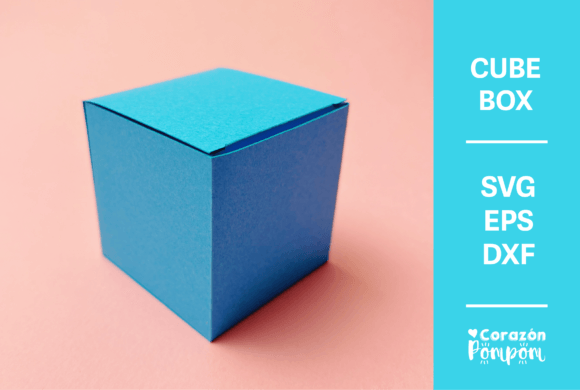
Upon importing the Cube Box SVG into a standard vector editing environment, the immediate impression is one of structured clarity. Unlike organic or hand-drawn illustrations, this 3D SVG offers a precise, architectural feel that signals organization and tangible value to the reader. In the context of gift boxes and packaging content, this asset bridges the gap between abstract digital concepts and physical reality. For a lifestyle blogger or an affiliate marketer focusing on DIY crafts, unboxing experiences, or product packaging, this graphic establishes a mood that is both playful and professionally polished.
The clean lines of the cube create a sense of modern design that avoids the cluttered look often associated with amateur craft blogs. It feels intentional rather than accidental. This distinction is vital for building reader trust. When a website header or featured image utilizes such a deliberate visual hierarchy, it subconsciously assures the audience that the accompanying content—whether a tutorial, a product review, or a digital guide—is equally well-structured and reliable. The asset naturally supports niches centered around gifting, subscription boxes, party planning, and small business branding, providing a versatile anchor for various editorial themes.
Strategic Applications in Digital Publishing
In a real-world publishing workflow, the versatility of this graphic design asset extends far beyond simple decoration. I have found that geometric primitives like the cube serve as excellent containers for information. For Pinterest pin creation, the Cube Box SVG can be scaled to dominate the vertical canvas, serving as a bold background element or a focal point for text overlays. Its recognizable shape allows users to instantly categorize the content as related to gifts or packaging before they even read the headline, significantly improving click-through potential in crowded feeds.
For content marketing strategies involving lead magnets, this asset is particularly valuable. Imagine a downloadable resource or checklist titled "The Ultimate Gift Wrapping Guide." Using the Cube Box SVG as the cover art for this digital product creates immediate visual coherence between the promotional blog graphics and the actual PDF deliverable. Similarly, newsletter creators can utilize this vector in email headers to maintain brand identity across platforms. Because it is a scalable vector, it remains crisp on retina displays and mobile devices alike, ensuring that your affiliate marketing visuals and editorial accents never appear pixelated or unprofessional.
Furthermore, designers creating Canva templates for creative entrepreneurs will find this asset indispensable. It acts as a modular building block that can be recolored to match any seasonal palette or brand kit. Whether used as a subtle watermark in a media kit or a prominent hero image for a category page, the Cube Box SVG adapts to the specific needs of commercial design without losing its core identity.
Optimizing Visual Hierarchy and Reader Engagement
Effective web design relies heavily on directing the user’s eye, and this 3D SVG excels at facilitating strong visual hierarchy. The inherent perspective of the cube draws attention inward, making it an ideal frame for headlines or calls to action. When placed beside serif fonts, the geometric rigidity of the box provides a pleasing contrast that enhances readability. Conversely, pairing it with handwritten or script fonts softens the overall aesthetic, making it suitable for more feminine or personal storytelling niches.
From a conversion standpoint, consistent use of such design assets strengthens brand recognition. Readers begin to associate the specific style of the cube with your content, creating a visual shorthand that speeds up navigation and comprehension. For affiliate marketers promoting physical products, using a stylized representation of a box can sometimes perform better than generic stock photography because it implies a curated, custom experience rather than a mass-produced sales pitch. This subtle psychological cue can improve engagement metrics and time-on-page, signaling to search engines that your content provides genuine value.
Navigating Placement Constraints and Best Practices
While the Cube Box SVG is highly adaptable, publishers must exercise discernment regarding placement. This asset thrives in hero sections, article thumbnails, and dedicated graphic cards. However, it requires careful handling in dense layouts. Avoid placing this detailed vector inside small mobile navigation icons or footer areas where the intricate fold lines may blur or create visual noise. In text-heavy blog images, ensure there is sufficient negative space around the cube; crowding it against paragraphs diminishes its impact and reduces accessibility.
Additionally, consider the tonal alignment of your niche. While perfect for creative, educational, and lifestyle sectors, this specific geometric style may feel too informal or illustrative for strictly corporate finance, legal, or medical content. Always preview the asset within your actual website theme before finalizing. Test how it interacts with your existing color palette and typography. A black-and-white test is also recommended to ensure the 3D effect relies on form rather than just color contrast, guaranteeing legibility for all users and print applications.
Essential Publisher Notes for Implementation
Before deploying the Cube Box SVG in any monetized or public-facing project, adhere to these practical production standards:
- Licensing Verification: Confirm the commercial license terms explicitly. Just because a file is available as a digital download does not automatically grant rights for use in paid digital products, affiliate landing pages, or client work. Respect the creator's intellectual property to avoid legal complications.
- File Optimization: Raw SVG files from cutting machines often contain unnecessary nodes or metadata. Clean and compress the code using tools like SVGOMG to ensure fast load times. Web performance directly impacts SEO and user retention.
- Cross-Device Testing: Always preview the graphic on both desktop monitors and mobile screens. Verify that stroke widths remain visible at smaller sizes and that the 3D perspective does not distort awkwardly in responsive containers.
- Typography Pairing: Experiment with different font families. Display fonts work well for large hero banners, while clean sans-serif typefaces are better for instructional content overlaid on or near the graphic.
- Color Accessibility: Ensure sufficient contrast ratios if text is placed over or adjacent to the colored faces of the cube. Adhere to WCAG guidelines to maintain inclusivity and professional editorial standards.
- Contextual Relevance: Use the asset to support the narrative, not distract from it. If the cube does not add semantic value or clarify the topic of gift boxes or packaging, opt for a simpler alternative.
By treating the Cube Box SVG as a strategic component of your broader content ecosystem rather than mere decoration, you elevate the perceived quality of your publication. This thoughtful approach to editorial design transforms simple vectors into powerful tools for communication, branding, and audience connection in the competitive digital landscape.