Golden Monstera: A Designer’s Embroidery Review
As a professional embroidery designer and product reviewer, I approach every new machine embroidery design with a healthy dose of skepticism. We have all downloaded files that look perfect on screen but turn into thread nests or distorted shapes once the needle hits the fabric. When I first examined the Golden Monstera file from Maison Gregoria, my immediate focus was on its translation potential. Although originally marketed within the realm of Paper Flowers and 3D SVG assets for digital crafting, my goal was to evaluate how this botanical aesthetic performs when converted into stitches for real-world embroidery projects.
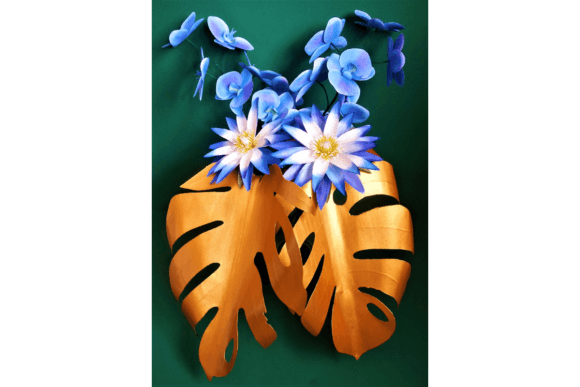
The visual personality of Golden Monstera is distinct. It captures a tropical elegance without feeling kitschy, balancing the bold, architectural lines of the monstera leaf with softer, organic curves reminiscent of water lilies. For an Etsy seller or small shop product creator, this balance is crucial. It feels mature and high-end rather than juvenile. However, translating these paper-craft-inspired layers into a flat or textured stitched surface requires careful consideration of stitch density and fabric choice. Here is my practical breakdown of using this design in a commercial and personal capacity.
Real-World Application: The Custom Tote Bag Test
To truly understand the viability of Golden Monstera, I tested it on a natural canvas tote bag design. Totes are a staple for any craft business because they offer a stable, medium-weight surface that generally accepts embroidery well. My scenario involved creating a premium, personalized gift for a client who wanted a "botanical luxury" vibe for a bridal party favor.
During the stitch-out, the design’s layout proved advantageous. The negative space inherent in the monstera shape prevents the design from becoming a heavy, bulletproof patch of thread. This is vital for tote bags, where excessive density can cause the fabric to pucker or the bag to lose its drape. The interplay between the leaf structure and the floral accents allowed for varied texture. I utilized a combination of satin stitch for the delicate water lily elements and a lighter fill stitch for the broader leaf areas. This variation mimics the depth found in the original 3D SVG concept, giving the finished product a tactile quality that customers appreciate in handmade products.
From a sales perspective, this specific application highlighted the design's versatility. It reads clearly from a distance, which is essential for market displays or social media photography. If you are selling custom apparel or accessories, legibility at a glance drives buyer engagement. The Golden Monstera motif holds its own against the textured grain of canvas, maintaining crisp edges without bleeding into the weave.
Navigating Fabric Challenges and Technical Limits
While the tote test was successful, Golden Monstera demands respect regarding substrate selection. Not every fabric will support this level of detail. As an experienced maker, I must emphasize where caution is necessary.
- Stretchy Fabrics: If you plan to use this for sweatshirt embroidery or performance wear, you must adjust your expectations. The intricate veins of the monstera and the fine details of the lilies can distort on knit fabrics. Always use a high-quality cut-away stabilizer and consider adding a topping to prevent stitches from sinking into the fleece.
- Small Hoop Sizes: Resizing is often tempting, but be wary of shrinking Golden Monstera below its intended dimensions. The internal details of the leaf fenestrations (the natural holes) may close up if scaled down too aggressively for a 4x4 hoop. Always verify the minimum safe size before committing to a baby embroidery project or sleeve cuff.
- Dark Fabrics: The design relies heavily on contrast and shadow play. On black or navy garments, the golden tones pop beautifully, but subtle shading stitches may get lost. I recommend testing thread colors on a dark scrap first. You may need to increase the brightness of your gold or cream threads to maintain the visual hierarchy established in the digital preview.
- Curved Surfaces: Avoid placing this design across seams or on highly curved cap fronts unless you have digitized a specific version for caps. The horizontal span of the monstera leaf fights against the curvature of a hat, leading to registration errors.
Commercial Value and Brand Consistency
For creative entrepreneurs, the value of an embroidery file extends beyond a single stitch-out. It lies in its ability to anchor a collection. Golden Monstera serves as an excellent anchor piece for a tropical or summer line. Its sophisticated rendering allows it to bridge the gap between casual beachwear and upscale home decor like pillow covers or tea towels.
When listing items online, professional presentation builds customer trust. Because this design has such strong structural integrity, it photographs exceptionally well. I found that even simple printable mockups accurately represented the final stitch-out, reducing customer disappointment and returns. For those selling digital embroidery files or design assets, providing accurate color charts and fabric recommendations based on real testing adds immense value to your shop. Buyers want to know that the file they are purchasing has been vetted for production, not just digitized and forgotten.
Furthermore, consider the licensing. Before incorporating Golden Monstera into commercial embroidery workflows or selling finished goods, always confirm the specific usage rights provided by Maison Gregoria. Protecting your business means ensuring you have the right to monetize the personalized gift or boutique item you are creating.
Essential Pre-Stitch Checklist for Makers
Before you load this file into your machine for a client order or inventory batch, run through this practical checklist. These steps separate hobbyists from professionals:
- Verify File Compatibility: Ensure the format matches your machine. While the source mentions 3D SVG, embroidery machines typically require PES, DST, JEF, or VP3. Confirm you have the correct digital embroidery file type before starting.
- Density Audit: Open the file in your editing software. Check for areas where running stitch underlay might be insufficient for the top layers. Proper underlay is the foundation of a clean satin edge.
- Contrast Test: Stitch a sample on both light and dark backgrounds. What looks vibrant on white might disappear on beige. Adjust thread palettes accordingly.
- Stabilizer Match: Do not guess. Canvas needs tear-away; knits need cut-away; sheers need water-soluble. The wrong stabilizer will ruin the Golden Monstera’s delicate lines.
- Wash Testing: If producing holiday embroidery or kitchen linens that will face frequent laundering, wash your test swatch. Ensure the metallic or variegated threads (if used) do not bleed or fray after agitation.
Final Thoughts on Design Integrity
Golden Monstera is more than just a pretty botanical; it is a functional design asset that rewards preparation. Its roots in paper flower artistry give it a unique layered aesthetic that translates surprisingly well to thread, provided you respect the technical limitations of embroidery. Whether you are stitching a custom apparel piece for a summer collection or creating an embroidered patch for branding, this design offers a blend of trendiness and timelessness.
Success with this file comes down to understanding its behavior. Treat it as a collaboration between the digitizer’s vision and your material expertise. By testing thoroughly, choosing appropriate substrates, and respecting the design’s natural scale, you can produce handmade products that stand out in a saturated market. For the discerning maker, Golden Monstera represents an opportunity to elevate standard botanical embroidery into something with genuine artistic weight and commercial appeal.