Halloween Tooth Fairy Money Holder SVG Review
As a designer who constantly bridges the gap between digital assets and tangible handmade products, I approach every new file with a critical eye. When I first opened the Halloween Tooth Fairy Money Holder SVG, my immediate thought was not just about the cute aesthetic, but about its structural integrity as a 3D SVG. While this file is categorized under Shapes and marketed primarily for paper and cardboard cutting, my mind immediately went to adaptation. For embroidery designers and small business owners, this design represents a unique hybrid opportunity: creating mixed-media projects where stitched elements meet structural paper crafts, or translating the layered vector logic into a multi-fabric applique design.
First Impressions and Structural Logic
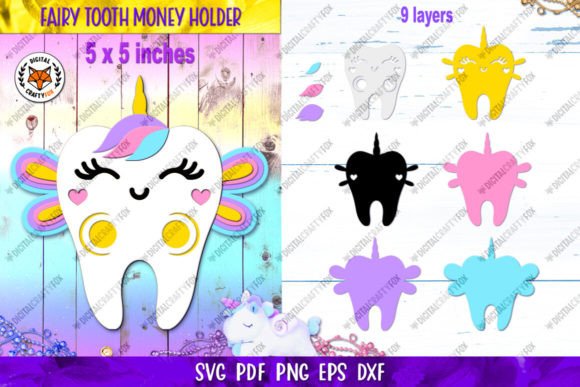
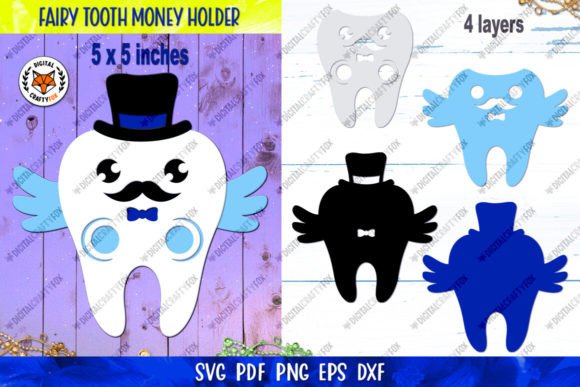
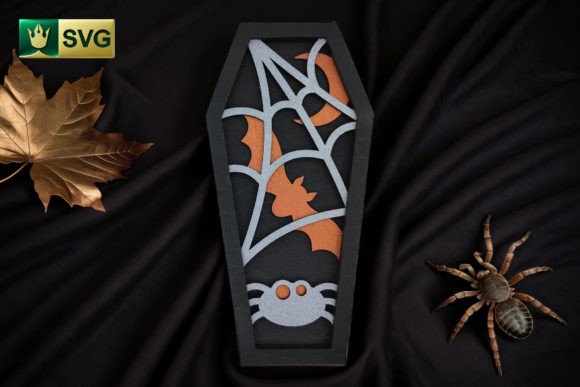
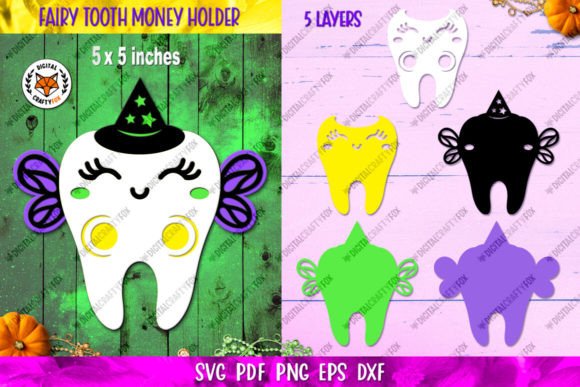
The visual personality of this Halloween Tooth Fairy money card design for your kids is undeniably charming. It strikes that difficult balance between spooky and sweet, making it appropriate for younger children who might be intimidated by more graphic Halloween imagery. As a machine embroidery design source, the layout is clean. The lines are distinct, which is crucial when you are converting a cutting file into stitch data. However, because this is originally intended for bright cardboard, the negative space is generous. In the world of embroidery, negative space is where we run into trouble with fabric distortion.
For an Etsy seller or creative entrepreneur, the value here lies in the "money holder" function. This isn't just a decorative motif; it is a functional personalized gift. When evaluating this for real project use, I see it less as a standard chest logo and more as a standalone embroidered patch or a mixed-media insert for a greeting card. The 3D SVG nature implies depth. If you are stitching this, you need to think about how to replicate that depth using thread density and layering rather than paper stacking.
Real-World Application: The Mixed-Media Tote Bag
To truly test the viability of the Halloween Tooth Fairy Money Holder SVG, I mentally prototyped a custom apparel and accessory project: a canvas tote bag designed as a trick-or-treat alternative for parents who want to give cash or gift cards safely. In this scenario, the design serves as the centerpiece of a holiday embroidery project.
I envisioned stitching the tooth fairy character using a combination of satin stitch for the outline and fill stitch for the body to mimic the solid look of cardboard. The "money holder" pocket itself, however, presents a challenge. You cannot stitch a functional paper pocket onto fabric easily. Instead, I would adapt the SVG layers to create a fabric envelope attached via running stitch, with the tooth fairy design embroidered directly on top. This transforms a simple digital product into a high-value handmade product. Customers at craft fairs respond to this level of tactile innovation. They aren't buying a generic Halloween print; they are buying a specialized, interactive keepsake. For a small shop product, this differentiation is what justifies a higher price point and builds brand consistency.
Navigating Fabric Limitations and Hoop Sizes
While the design is versatile, it demands respect for fabric physics. Because the original asset is optimized for rigid cardboard, the geometry may be too angular or delicate for certain textiles. Here is where practical design judgment comes into play:
- Stretchy Fabrics: Avoid placing this design on ribbed knits or thin jersey without significant modification. The structured lines of the tooth fairy will distort on stretchy fabric unless you use a heavy cut-away stabilizer and potentially a topping to prevent stitches from sinking.
- Textured Surfaces: On terry cloth towels or fleece blankets, the fine details of the face and wings can get lost. You may need to increase the stitch density or add an underlay foundation to create a smooth platform for the top stitches.
- Small Hoop Sizes: If you are working with a 4x4 hoop size, verify the dimensions before purchasing. Multi-layer 3D designs often have wider bounding boxes than standard embroidery files. Resizing down too much can cause the registration marks for the layers to overlap, ruining the alignment.
- Dark Fabrics: Since the design calls for "bright cardboard," translating this to black or navy fabric requires planning. You will need to adjust thread colors significantly. A white or cream base layer might be necessary to maintain the contrast and visual appeal intended by the original designer.
Technical Considerations for Commercial Use
For those running a craft business or selling on Etsy, licensing and technical compatibility are non-negotiable. Before listing any finished product derived from the Halloween Tooth Fairy Money Holder SVG, confirm whether your license covers commercial embroidery. Many 3D SVGs are licensed strictly for paper crafting. Do not assume cross-medium rights.
From a digitizing perspective, treat this file as a template rather than a ready-to-stitch embroidery file. You will likely need to redraw or auto-digitize the vectors. Pay close attention to the jump stitches. Paper cutting files do not account for thread trims. If you auto-digitize blindly, your machine might make unnecessary jumps across the tooth fairy’s face, creating messy lines that detract from the professionalism of the final piece. Always run a test stitch-out on scrap fabric that matches your final project weight. Check the thread color contrast against your specific fabric batch, as screen colors rarely match physical thread perfectly.
Enhancing Value Through Presentation
The success of this design in a commercial setting depends heavily on presentation. Because it is a niche item—a Halloween-specific financial gift—your marketing must bridge the gap. When creating printable mockups or digital product previews, show the design in context. Don't just display the flat SVG. Show the embroidered patch next to a crisp bill or a gift card. Demonstrate the scale. Parents need to know if the money holder fits standard currency sizes.
Furthermore, consider the longevity of the item. Halloween items are seasonal, but a well-made embroidered keepsake can be saved year after year. Emphasize the durability of your stitching in your product descriptions. Mention the stabilizer used and the quality of the threads. This reassures buyers that they are purchasing a premium handmade product, not a disposable decoration. For apparel decorators, this design works beautifully as a temporary seasonal accent on denim jackets or caps, provided the stabilization is adequate for the curved surface.
Final Verdict for Makers
The Halloween Tooth Fairy Money Holder SVG is a delightful asset with strong potential for adaptation, but it requires a skilled hand to translate from paper craft to textile art. It is best suited for intermediate to advanced makers who understand how to manipulate vectors for embroidery and who are comfortable experimenting with mixed media. For beginners, it serves as an excellent learning tool for understanding layer management and structural design.
If you are looking for a straightforward, single-color logo for baby embroidery, this might be overly complex. However, if you are an experienced designer seeking to expand your holiday embroidery catalog with something interactive and memorable, this design offers a fantastic foundation. Just remember to honor the differences between cutting cardboard and stitching fabric. With proper testing, stabilizer selection, and creative adaptation, this tooth fairy can become a standout bestseller in your autumn collection, bringing joy to children and profitable uniqueness to your shop.