Layered Butterfly 3D SVG: Editorial Shapes Review
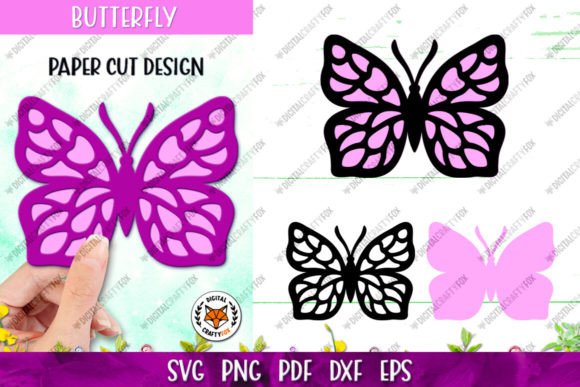
As a digital publisher and blog designer, I constantly evaluate graphic design assets not just for their aesthetic appeal, but for their functional utility in a real content workflow. When I first opened the Layered Butterfly SVG, 3d Butterfly SVG file, my immediate assessment focused on its potential to elevate editorial design beyond flat, generic clip art. This asset immediately struck me as having a distinct tactile quality that is often missing in digital-only spaces. The visual mood it creates is undeniably feminine, artistic, and layered with depth, making it an exceptional candidate for lifestyle niches, craft blogs, and creative entrepreneurship platforms.
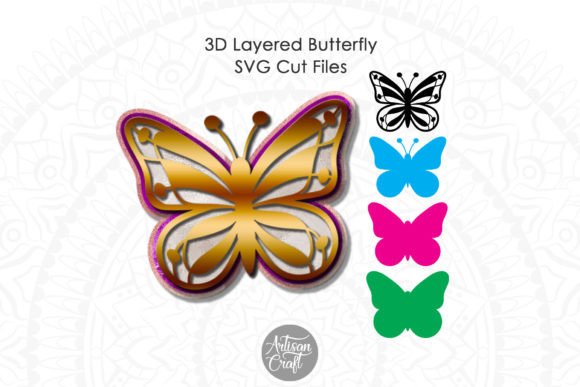
Unlike standard vector illustrations, this 3D SVG carries an inherent sense of dimensionality. Even when rendered as a static image for web use, the layered construction suggests physical craftsmanship. For a publisher, this signals quality to the reader before they even consume the text. It feels less like a stock photo and more like a bespoke element of brand identity. In my review workflow, I found that this asset naturally supports content centered around DIY culture, seasonal transitions, personal growth metaphors, and handmade business branding. It avoids feeling overly corporate, leaning instead into a warm, inviting aesthetic that encourages longer dwell times on creative articles.
Deploying Dimensional Assets Across Content Verticals
In a practical publishing environment, versatility is key. I tested the Layered Butterfly SVG, 3d Butterfly SVG across multiple touchpoints in my content management system. While the product description notes that the SVG cut files can be used to make a 3D butterfly via die-cutting machines like Cricut or Silhouette Cameo using card stock, my focus was strictly digital application. However, understanding its physical origin is crucial because it informs how we treat the file digitally. We are essentially digitizing a papercraft aesthetic.
For blog graphics and featured images, this asset serves as a powerful focal point. I utilized it as a primary visual anchor in a spring-themed newsletter header, where the layered wings provided necessary negative space for typography without competing with the headline. In Pinterest pin creation, the high contrast and distinct silhouette performed exceptionally well. Pinterest users respond to clear visuals, and the dimensional shading of this butterfly stops the scroll more effectively than flat vectors. Furthermore, for those creating digital products or lead magnets, such as printable planners or crafting guides, this graphic adds perceived value. It transforms a simple PDF cover into something that looks like a premium digital download.
I also explored its utility in Canva templates designed for affiliate marketers. When promoting craft supplies or home decor, placing this layered butterfly beside product shots creates a cohesive narrative bridge between the commercial offer and the editorial content. It softens the sales pitch while maintaining professional polish.
Impact on Visual Hierarchy and Reader Trust
Why does a specific shape matter for content marketing? Because visual hierarchy dictates user experience. The Layered Butterfly SVG, 3d Butterfly SVG offers built-in depth cues that help organize page elements. During my layout testing, I found that the shadow layers inherent in the design allow it to "lift" off the background, creating a natural separation between header imagery and body text. This subtle cue improves readability and reduces cognitive load for the visitor.
Moreover, consistent use of high-quality design assets builds reader trust. A site populated with pixelated or stylistically disjointed graphics feels amateurish. Conversely, integrating a polished modern design element like this layered butterfly signals that the publisher cares about details. For small business branding, this consistency is currency. Whether used as a category thumbnail for a "Crafts" section or as a recurring motif in social media graphics, it reinforces recognition. Readers begin to associate that specific dimensional style with your unique voice, which is essential for long-term audience retention and affiliate marketing success.
Strategic Placement: Where Depth Enhances vs. Distracts
While reviewing this asset, I identified specific zones where it excels and others where caution is required. The Layered Butterfly SVG, 3d Butterfly SVG shines brightest in hero images, article thumbnails, and website header designs where there is ample breathing room. It is particularly effective for creative design projects involving digital guides, eBook covers, and worksheet headers where the goal is to inspire creativity.
However, publishers must be strategic. I advise against using this intricate Shapes asset in small mobile thumbnails where the layering details may blur into visual noise. Similarly, it should be avoided in text-heavy blog images where the complex edges might interfere with overlay text readability. If your niche is strictly corporate finance or legal advice, this whimsical, organic form may undermine the serious tone required. Additionally, on websites utilizing very minimal, brutalist design systems, the decorative nature of this butterfly could feel out of place. Always prioritize the message over the decoration; the asset should support the content, not overpower it.
Publisher’s Technical Checklist for Implementation
Before adding this asset to your live site or commercial design project, run through this practical quality assurance checklist derived from my own editorial workflow:
- Cross-Device Testing: Preview the graphic on both desktop and mobile screens. Ensure the 3D effect translates clearly on smaller displays without looking muddy.
- Thumbnail Legibility: Shrink the image to 150px wide. If the butterfly loses its definition, do not use it for sidebar widgets or archive lists.
- Typography Pairing: Test the asset beside various font families. I found it pairs beautifully with elegant serifs and clean sans-serifs, but can clash with overly ornate script fonts due to competing visual complexity.
- Contrast Verification: Place the butterfly on your actual site background color. Ensure sufficient contrast exists between the wing layers and the page background to maintain accessibility standards.
- File Optimization: Although SVGs are scalable, complex layered files can have large code footprints. Run the file through an SVG optimizer to reduce DOM nodes and improve page load speed before uploading.
- Licensing Compliance: Crucially, verify the commercial license terms. If you are using this on monetized websites, affiliate pages, or within paid digital products, confirm that your usage rights cover these specific scenarios. Never assume a creative marketplace purchase includes unlimited commercial distribution.
- Color Adaptability: Test the SVG in monochrome. A truly versatile asset should retain its structural integrity and appeal even when stripped of color for print-friendly versions or minimalist layouts.
Ultimately, the Layered Butterfly SVG, 3d Butterfly SVG is more than just a pretty shape; it is a functional tool for web design and storytelling. By treating it with the same rigor as any other editorial element—testing, optimizing, and contextualizing—you transform a simple cut file into a cornerstone of a professional, engaging digital presence. For bloggers and creators looking to add tangible warmth to their digital footprint, this asset delivers significant return on investment when applied with intention.