Pug Dog Candy Dome Template: A Maker’s Review
As a designer who constantly bridges the gap between digital assets and tangible, stitched goods, I approach every new file with a specific question: will this actually work in production? When I first opened the Pug Dog Candy Dome Template, my immediate reaction was one of cautious optimism. While listed primarily as a paper craft design for cutting machines, the structural geometry of this 3D SVG caught my eye as a potential blueprint for mixed-media embroidery projects. For fellow Etsy sellers, apparel decorators, and creative entrepreneurs, evaluating a design like this requires looking beyond the screen to visualize how those clean vector lines translate into thread, fabric texture, and finished product value.
Translating Vector Geometry to Stitched Reality
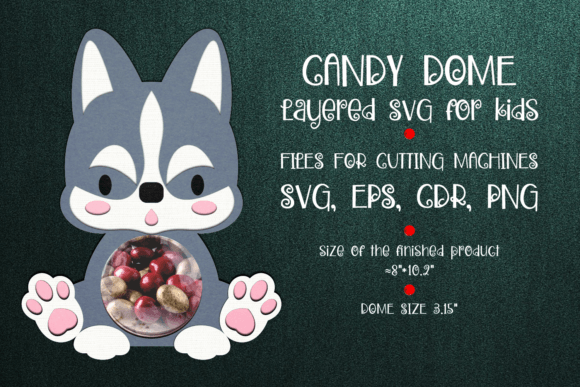
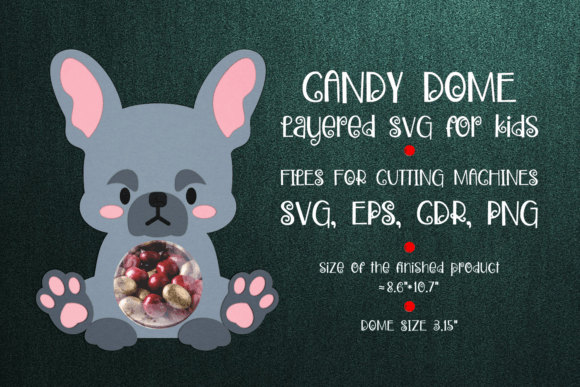
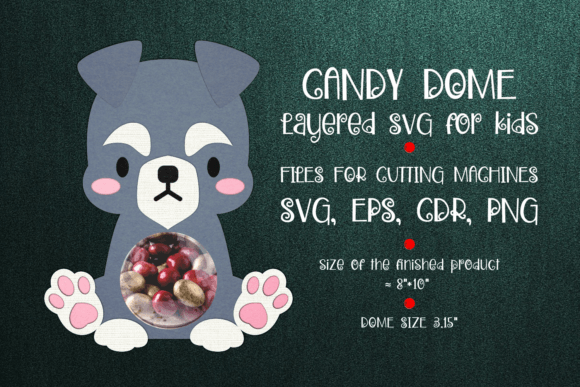
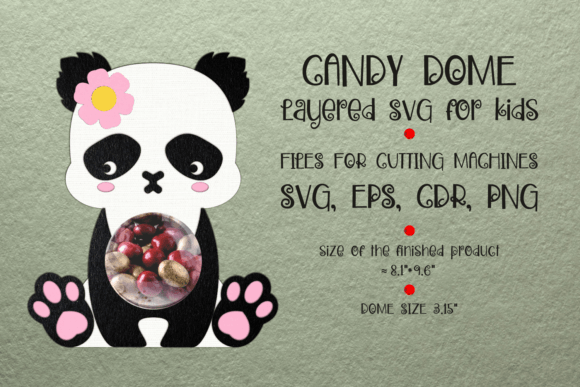
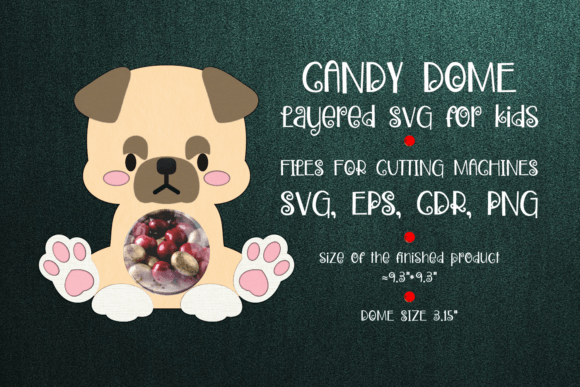
The visual personality of this pug template is undeniably charming. It captures that distinct, soulful expression characteristic of the Animals category without relying on excessive complexity. However, as an experienced reviewer, I know that what looks adorable in a digital preview can sometimes become a muddy mess when converted into a machine embroidery design. The "candy dome" shape implies a rounded, dimensional quality that is fantastic for visual appeal but presents specific challenges for stitch clarity.
In my assessment, this template serves best as a structural guide rather than a direct stitch file. Because it originates as a 3D SVG for cutting machines, the lines are optimized for blades, not needles. If you are adapting this for an embroidery project, you must evaluate the curve radius. Sharp vector corners often need to be softened manually before digitizing to prevent needle breaks or puckering. The mood is playful and boutique-ready, making it ideal for personalized gifts or small shop products where whimsy sells. However, the success of the final piece depends entirely on respecting the translation from paper craft logic to textile reality.
Real-World Application: The Custom Tote Bag Test
To truly judge the viability of the Pug Dog Candy Dome Template, I mentally prototyped it for a high-demand item in my own shop: a custom embroidered tote bag. Canvas totes are staples for craft businesses, but they are unforgiving if the design density is wrong. In this scenario, I envisioned using the template as an applique design outline rather than a full fill stitch piece.
Using the SVG as a cut line for felt or cotton fabric allows the pug’s face to pop against the natural canvas background. This hybrid approach leverages the precision of the cutting machine while adding the tactile warmth of hand-finished edges or satin stitch borders. For a sweatshirt embroidery project, however, I would exercise more caution. The dome shape suggests a density that might make a garment stiff if fully stitched out. Instead, I would use the template to create a lighter, running stitch outline combined with strategic fill stitch areas for the eyes and nose. This maintains the garment's drape—a critical factor for customer satisfaction and repeat business. When preparing for holiday embroidery or nursery decor, this adaptability is what transforms a simple digital download into a versatile commercial asset.
Navigating Fabric Constraints and Hoop Limitations
Every experienced maker knows that context dictates execution. While the Pug Dog Candy Dome Template has strong aesthetic bones, there are environments where it demands careful handling. Small hoop sizes are your first hurdle; intricate facial features on a pug require space to breathe. If you scale this down too aggressively for a baby embroidery project or a cap, the details will merge, resulting in an unrecognizable blob rather than a cute dog.
Fabric texture also plays a massive role. On smooth cotton or twill, the design’s intended lines will shine. On textured fabrics like terry cloth towels or fleece blankets, the fine details of the candy dome shape risk getting lost. In these cases, you must increase the underlay and perhaps simplify the design elements derived from the template. Stretchy fabrics present another challenge; the circular nature of the dome shape can distort easily during hooping. Proper stabilizer selection is non-negotiable here. Furthermore, if you are working with dark fabrics, remember that this template likely doesn't account for color contrast. You may need to add a white underlay or adjust thread colors to ensure the pug’s expression remains visible and engaging. Always inspect detailed corners and tiny lettering if included, as these are the first failure points in commercial embroidery production.
Elevating Brand Value Through Technical Precision
For digital product sellers and handmade shop owners, the difference between an amateur listing and a professional brand often lies in stitching clarity. Using the Pug Dog Candy Dome Template effectively can significantly boost buyer engagement, but only if the finished product looks intentional. Customers trust sellers who demonstrate mastery over their materials. A crisp, well-executed adaptation of this design signals professionalism, whereas a poorly stabilized or overly dense version suggests a lack of quality control.
This template also offers excellent opportunities for printable mockups and digital product previews. Before committing thread to fabric, use the SVG to create accurate visual representations for your Etsy listings. This helps manage customer expectations and reduces return rates. However, always verify licensing. Just because a file is available for download does not automatically grant rights for commercial embroidery or selling finished products. Confirming these terms protects your business and respects the original creator. When used correctly within legal bounds, this design asset can enhance brand consistency across various mediums, from embroidered patches to nursery wall art.
Essential Designer Notes for Production Success
Before you load this design into your software or hoop up your fabric, run through this practical checklist. These steps have saved me countless hours and dollars in wasted materials:
- Test on Scrap Fabric First: Never assume the digital view matches physical output. Stitch a sample on the exact fabric and stabilizer combination you plan to use for the final product.
- Verify Software Compatibility: As noted in the product description, ensure you have the appropriate software to open and manipulate these file formats before purchasing. Not all embroidery software imports cutting SVGs seamlessly.
- Check Thread Color Contrast: Test the design in both black and white mockups and on light versus dark fabric backgrounds. Pugs rely heavily on tonal contrast for their expression; ensure your thread palette supports this.
- Review Stitch Density: If converting from SVG to embroidery file, manually check density settings. Paper craft lines do not account for thread thickness or fabric push-and-pull.
- Confirm Hoop Size Requirements: Measure the design dimensions carefully. Ensure it fits your hoop with adequate margin for stabilization and machine clearance.
- Inspect Small Details: Zoom in to 400% to check for overlapping stitches or gaps that could cause registration issues during actual stitching.
- Evaluate Washability: If creating tea towels or baby clothes, test wash the sample. Intricate dome shapes can warp if the stabilizer wasn't sufficient or if the stitch count was too high for the fabric weight.
- Licensing Check: Re-read the terms specifically regarding commercial embroidery and digital resale. Protect your shop by being compliant.
The Pug Dog Candy Dome Template holds genuine promise for makers willing to treat it as a starting point rather than a finish line. By applying professional judgment and respecting the technical realities of textile production, you can transform this digital asset into a standout addition to your product lineup. Whether you are crafting a personalized gift or scaling up for holiday sales, success comes from marrying creative vision with disciplined execution.