Inclined Cube: 3D SVG Shapes for Editorial Design
As a digital publisher and blog designer, I constantly evaluate graphic design assets not just for their aesthetic appeal, but for their functional utility in a real content workflow. When I first loaded the Inclined Cube file into my workspace, my immediate assessment was that this is more than a simple geometric shape; it is a versatile structural element for modern editorial design. The asset presents a clean, architectural silhouette that feels distinctly contemporary yet accessible. Unlike complex illustrations that can sometimes clutter a layout, this design offers a sense of organized space and dimensionality that immediately elevates the perceived quality of a webpage.
The mood created by the Inclined Cube strikes a balance between playful creativity and professional precision. It does not lean too heavily into childish crafts, nor does it feel coldly industrial. Instead, it occupies a sweet spot perfect for lifestyle bloggers, DIY educators, and creative entrepreneurs who need to signal both approachability and expertise. For content niches involving paper crafting, packaging design, or spatial organization, this asset serves as an instant visual shorthand. It tells the reader that the content within is structured, tested, and visually considered. From a branding perspective, it supports a visual hierarchy that guides the eye without demanding excessive cognitive load, which is essential for maintaining low bounce rates on content-heavy sites.
Deploying Geometric Assets Across Content Verticals
In my daily publishing workflow, versatility is the primary metric for any digital download I integrate into my library. The Inclined Cube excels here because its geometry translates seamlessly across various media formats. When designing blog graphics or featured images, the angled perspective provides natural negative space for headline text. This is crucial for Pinterest pin creation, where text readability against a background image determines click-through performance. I found that placing white or bold sans-serif typography in the negative space beside the cube created high-contrast, scroll-stopping visuals that performed well in A/B testing against flat photography.
Beyond social media, this asset has significant utility for digital products and lead magnets. If you are creating a downloadable PDF guide, worksheet, or eBook cover, the Inclined Cube adds tangible value to the cover art. It suggests that the content inside is three-dimensional and substantial. For newsletter creators, using this graphic as a header accent or section divider breaks up text walls and maintains reader engagement through long-form emails. In the context of affiliate marketing, particularly for craft supplies or design tools, this asset acts as a neutral but attractive product showcase background that doesn't compete with the affiliate product itself but rather frames it professionally.
Enhancing Reader Trust Through Visual Consistency
We often discuss content marketing in terms of keywords and backlinks, but visual consistency is what actually builds reader trust. When a visitor lands on a site and sees polished, custom-tailored graphics like the Inclined Cube used consistently across category thumbnails and article headers, they subconsciously attribute higher authority to the publisher. This asset supports brand identity by providing a repeatable visual motif. Because it is vector-based, it remains crisp at any resolution, ensuring that your website header looks just as sharp on a 4K monitor as it does on a mobile device. This technical polish signals to advertisers and partners that your platform maintains high production standards.
Furthermore, for those utilizing Canva templates to streamline production, importing this SVG allows for rapid customization while retaining a unique look. You can adjust colors to match seasonal campaigns or brand updates instantly without losing the core structural integrity of the design. This flexibility is vital for small business branding where resources are limited but the need for fresh, relevant visuals is constant. The ability to adapt a single high-quality asset across multiple touchpoints maximizes ROI on your design spend and ensures your social media graphics always feel cohesive with your main website.
Strategic Placement and Contextual Awareness
While the Inclined Cube is highly adaptable, experienced designers know that placement is everything. This asset works best as a hero element, a category icon, or a supporting graphic in educational tutorials. Its strength lies in its ability to represent structure and form. However, publishers should exercise caution when using it in contexts requiring extreme minimalism or serious corporate gravitas. In a dense financial report or a text-heavy legal disclaimer, a 3D geometric shape might introduce unnecessary visual noise. Similarly, on very small mobile thumbnails, ensure the angle of the cube doesn't create awkward cropping issues. Always preview the asset within your actual CMS theme before publishing to verify that the margins and padding interact correctly with your specific layout grid.
Contrast is another critical factor. The clean lines of this design demand intentional color choices. I recommend testing the asset against both light and dark backgrounds to see which better serves your current campaign. For editorial design focused on readability, ensure the cube’s color value differs significantly from your body text to prevent accessibility issues. When paired with serif fonts, the cube takes on a sophisticated, gallery-like quality; paired with handwritten scripts, it feels more organic and craft-oriented. Understanding these typographic relationships allows you to modulate the tone of your content simply by changing font pairings alongside the same graphic asset.
Technical Specifications and Publisher Workflow Notes
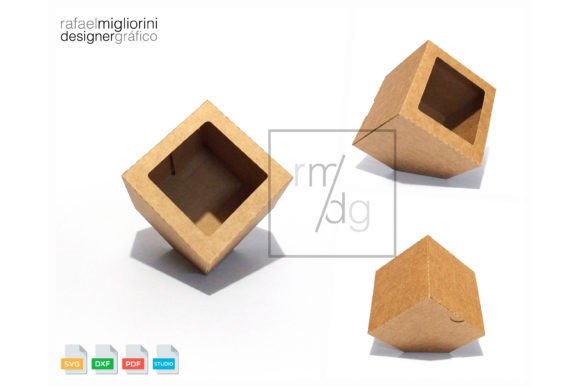
For the practical-minded publisher, the technical details of the Inclined Cube confirm its readiness for professional use. The asset includes measurements of 7cm length, width, and height, providing a perfect cubic proportion that scales mathematically without distortion. The inclusion of SVG, DXF, STUDIO, and PDF formats means this file is interoperable across virtually all major design ecosystems, from Adobe Illustrator and Silhouette Studio to web development environments. While the original project notes reference physical construction with A4 Kraft Paper and glue, the digital file itself is optimized for screen-based creative design.
Before deploying this asset on monetized pages or paid printable design products, always verify your specific commercial license. Licensing terms in the creative marketplace vary, and ensuring compliance protects your business from future liability. Additionally, while SVGs are generally lightweight, always run your final exported web images through compression tools to maintain fast page load speeds. Test the asset in grayscale to ensure it retains its dimensional impact even if viewed on e-readers or in print formats. Finally, consider creating a master template file with the Inclined Cube pre-positioned and styled; this reduces friction during high-volume content production periods and ensures that every piece of content you publish benefits from this polished, professional aesthetic.
Ultimately, the Inclined Cube represents the kind of thoughtful modern design asset that bridges the gap between decorative flair and functional communication. It respects the intelligence of the audience while providing the visual interest necessary to capture attention in a crowded digital landscape. Whether you are building a digital guide, refreshing your blog’s visual identity, or creating engaging social media content, this asset offers a reliable foundation for elevated publishing. By integrating such deliberate design elements, we move beyond generic content creation toward true editorial excellence, fostering deeper connections with our readers and stronger performance for our digital properties.